




Is Boiled Water Safe Enough? Why Filtration + Sterilization Are the True Safeguard for Water Quality
2026-08-11
A glass of warm water in the morning, daily cooking and soup making, and beverage brewing—water sustains every part of our daily life. Most people hold a fixed belief: boiled tap water is completely safe to drink.
In fact, boiling water only eliminates bacteria and germs. It cannot remove sediment, rust, heavy metals, residual chlorine, microplastics and other impurities in water. In particular, aging pipe networks and secondary water pollution from high-rise water tanks have hidden risks in household water use.
Truly healthy water is never achieved by boiling alone. It relies on a complete process: pre-filtration of impurities, deep sterilization and bacteriostasis, and full-process clean preservation. Today, we will thoroughly explain the core knowledge of household water filtration and sterilization in plain language, helping you protect your family’s water health.
01 Hidden Risks in Household Tap Water
Tap water leaving municipal water plants fully meets national drinking water standards. However, during delivery through long underground pipelines and secondary water tanks, it is prone to secondary pollution. The common water risks fall into two categories:
1. Visible Impurities — Solved by Filtration
Rust, sediment, insect eggs and colloidal impurities peeled from aging pipelines lead to turbid water and poor taste. Boiling such water will produce heavy scale and sediment. Though these impurities do not cause immediate discomfort, long-term intake increases metabolic burden on the human body. They also clog showers, water heaters and washing machines, shortening the service life of water appliances.
2. Invisible Germs — Solved by Sterilization
Microorganisms such as Escherichia coli, mold, Legionella and viruses are invisible threats to water safety. Especially in hot and humid summer environments, water purifier filter elements, water dispensers and pipelines are breeding grounds for bacteria. Even boiled water cannot avoid secondary bacterial pollution during storage and use.
In short: Filtration removes impurities and purifies water; sterilization eliminates germs and hidden dangers. Neither can be omitted. Single treatment can never ensure truly safe drinking water.
02 Filtration ≠ Sterilization: Clarify the Two Core Water Purification Technologies
Many people confuse filtration with sterilization, assuming that a water purifier solves all problems. In fact, the two have completely different principles and functions, working complementarily to ensure water safety.
✅ Water Filtration: Physical Interception, the Foundation of Water Purification
As the first step of water purification, filtration uses high-precision filter elements to intercept solid impurities and macromolecular pollutants, improving water cleanliness and taste. Common household filter elements serve different functions:
PP Cotton Filter: Primary coarse filtration that intercepts large particles such as sediment, rust and insect eggs, protecting subsequent filter elements. Service life: 6–12 months.
Activated Carbon Filter: Absorbs residual chlorine, peculiar odor, discoloration and organic matter, removing the bleaching powder taste of tap water for a sweeter water taste.
Ultrafiltration Membrane: High-precision filtration that intercepts bacteria, colloids and macromolecular impurities while retaining beneficial minerals in water. Ideal for daily domestic water use. Service life: 1–2 years.
RO Reverse Osmosis Membrane: The highest-precision household filtration technology, intercepting heavy metals, microplastics, antibiotics and scale ions. The filtered water is directly drinkable. Service life: 2–3 years.
The core value of filtration is turning turbid water into clean water by removing impurities, odors and pollutants. However, single filtration cannot completely prevent bacterial growth. Unchanged filter elements will become bacterial breeding grounds.
✅ Water Sterilization: Deep Bacteriostasis, the Last Line of Defense
Sterilization provides ultimate protection, thoroughly eliminating residual bacteria, viruses and secondary microorganisms generated during water storage and pipeline use. Physical sterilization is currently the safest and most mainstream solution for households with zero chemical residues.
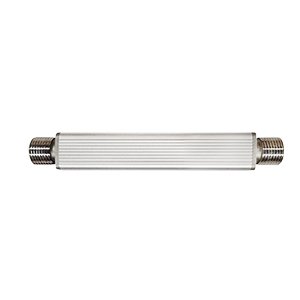
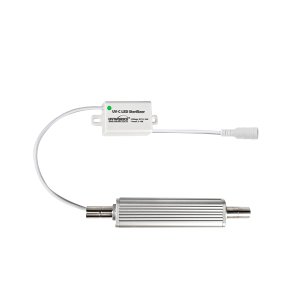
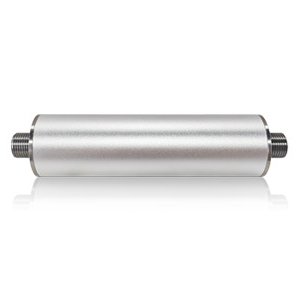
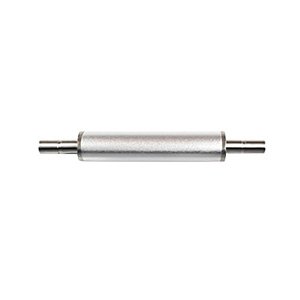
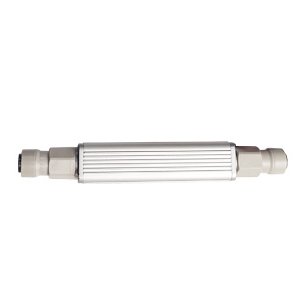
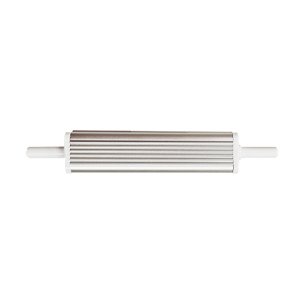
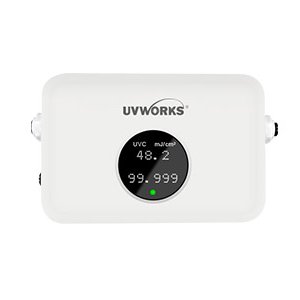
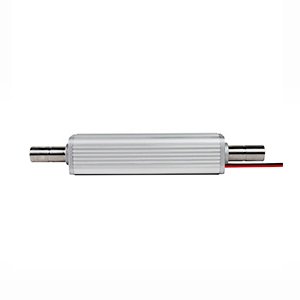
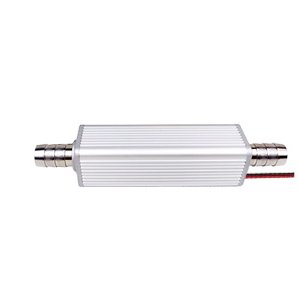
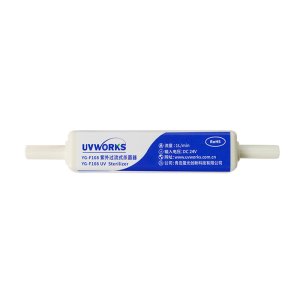
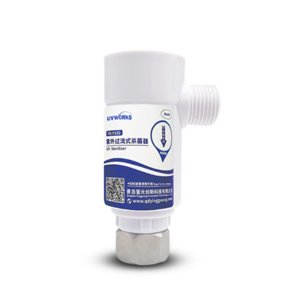
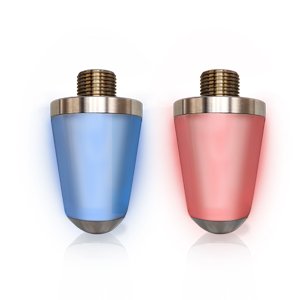
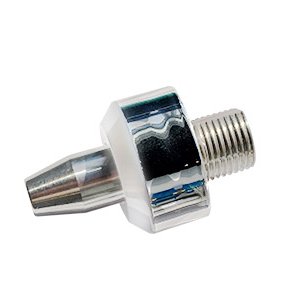
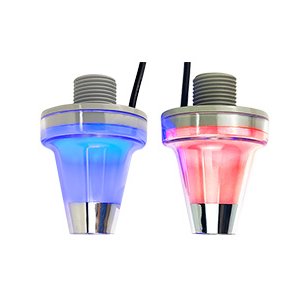
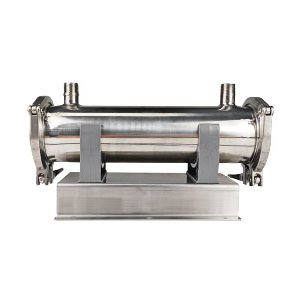
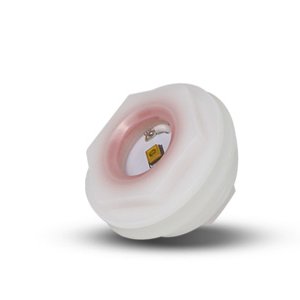
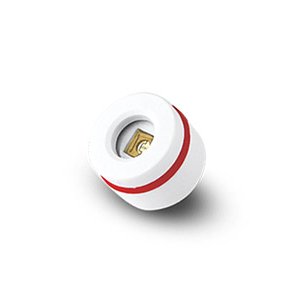
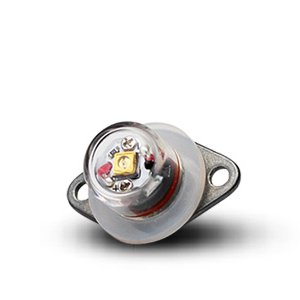
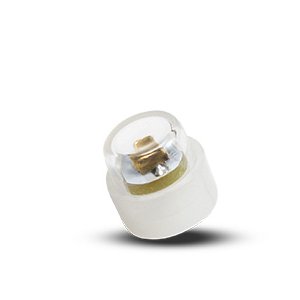
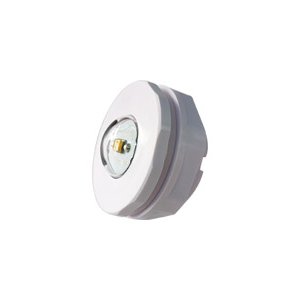
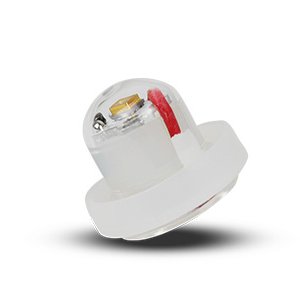
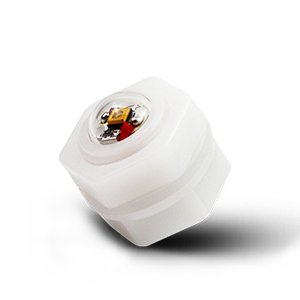
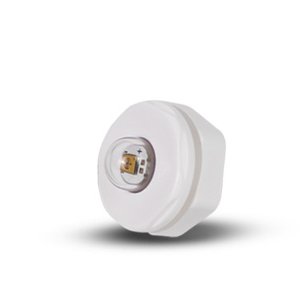
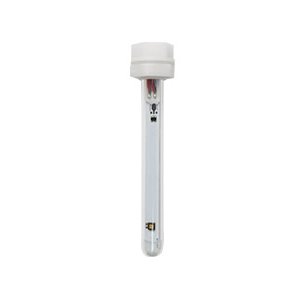
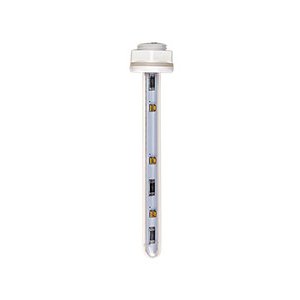
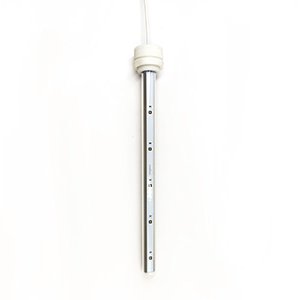
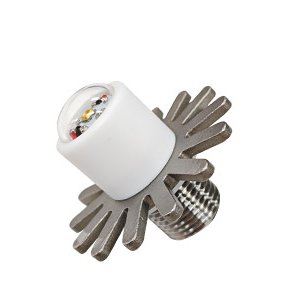
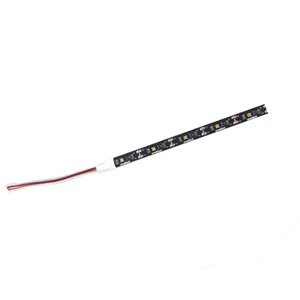
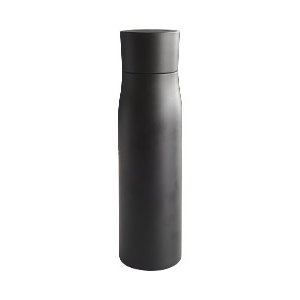
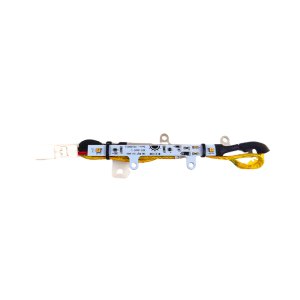
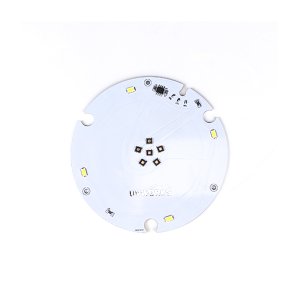
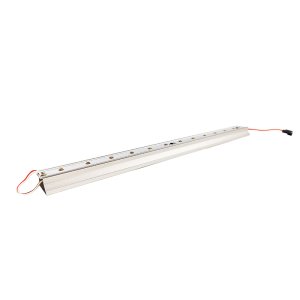
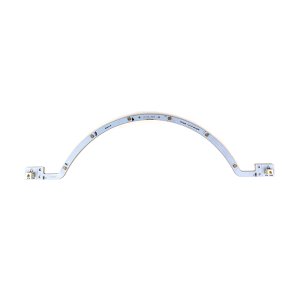
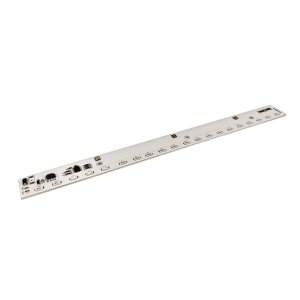
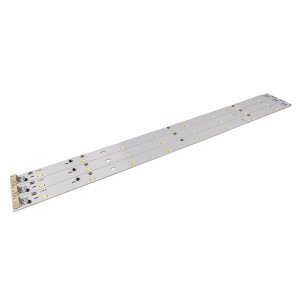
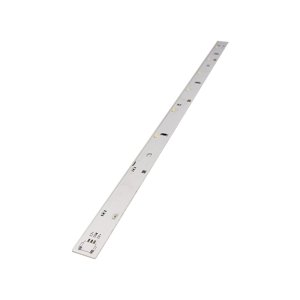
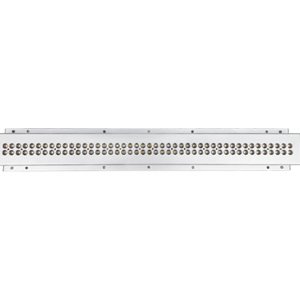
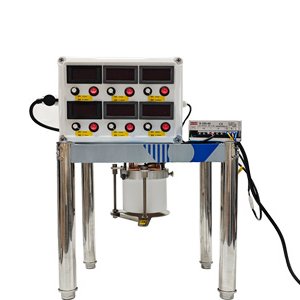
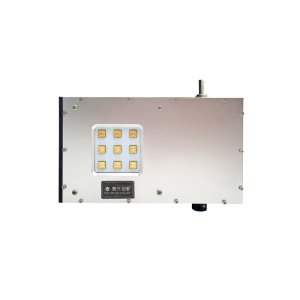
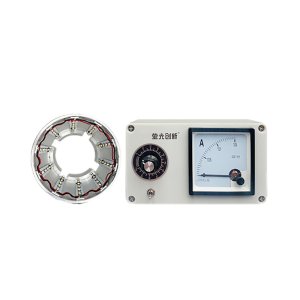
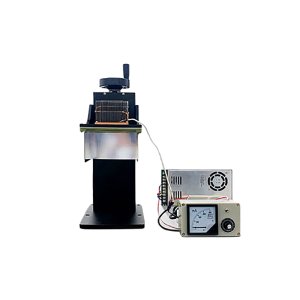
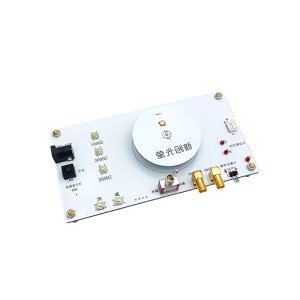
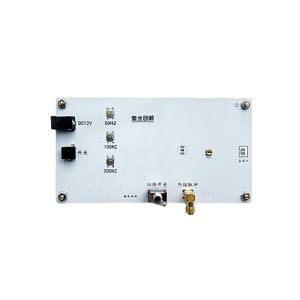
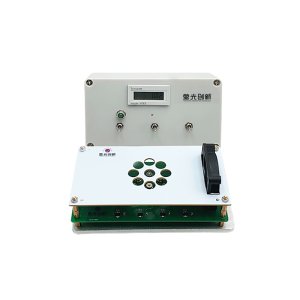
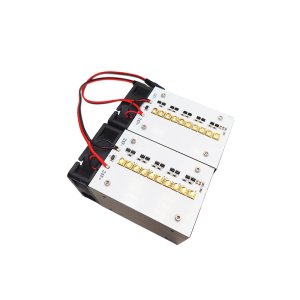
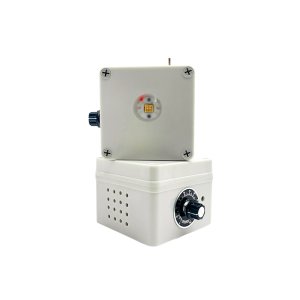
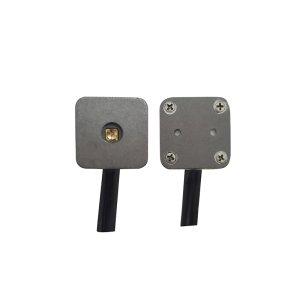
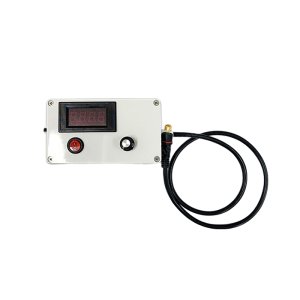
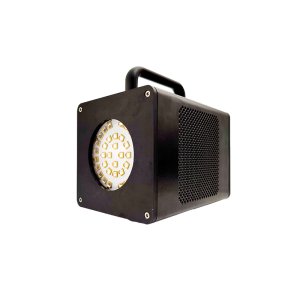
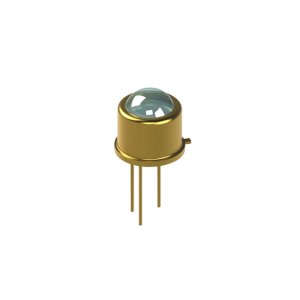
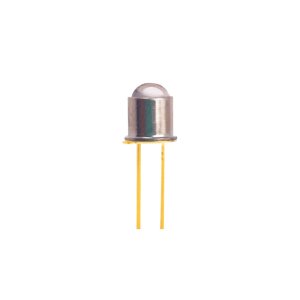
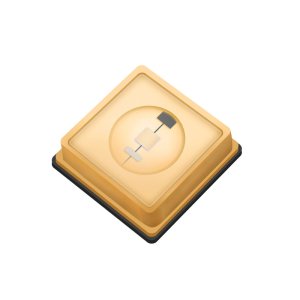
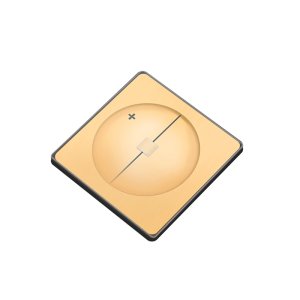
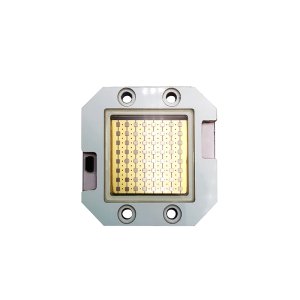
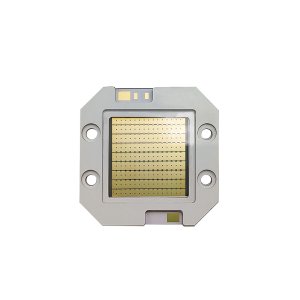
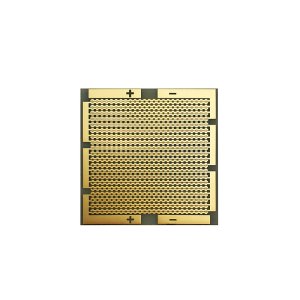
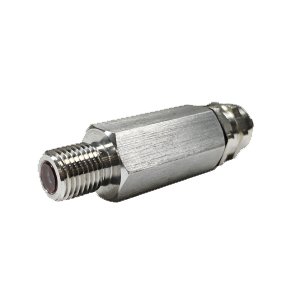
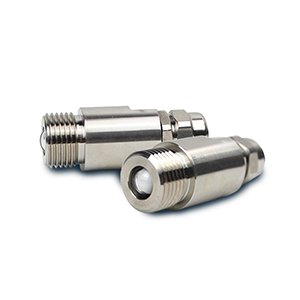
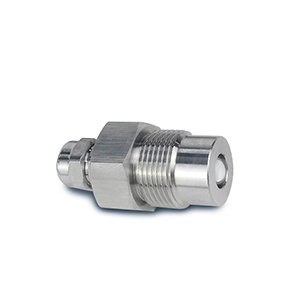
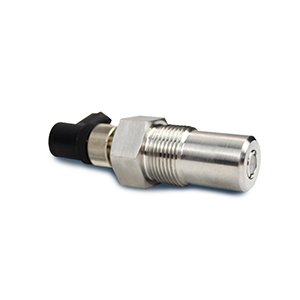
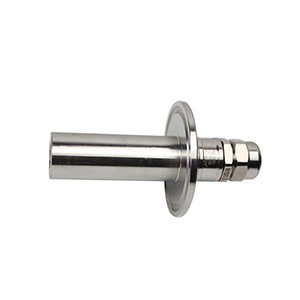
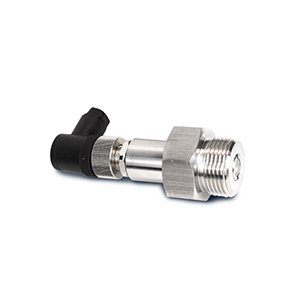
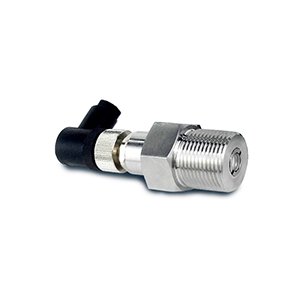
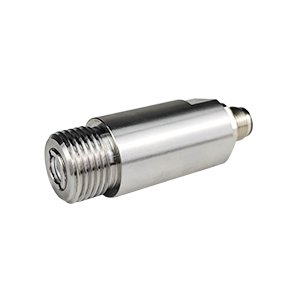
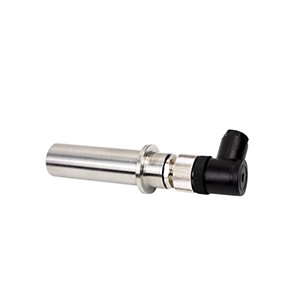
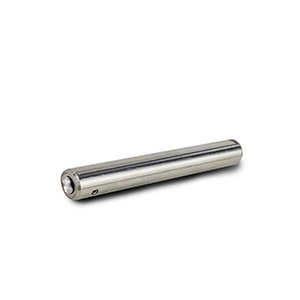
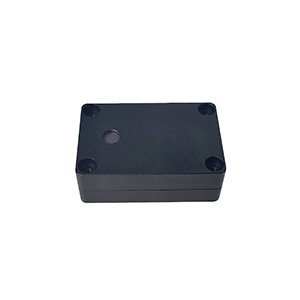
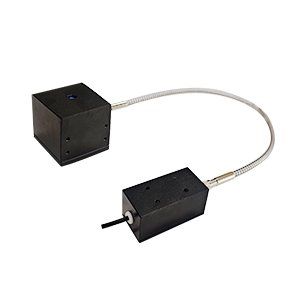
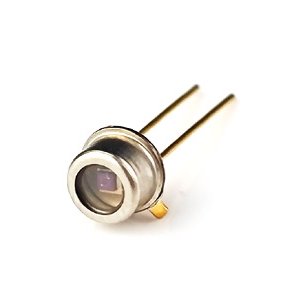
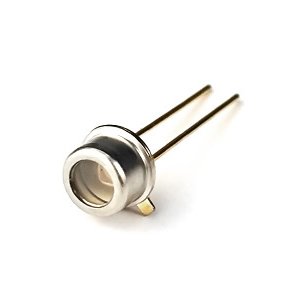
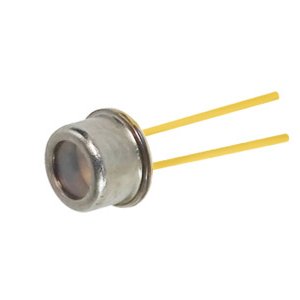
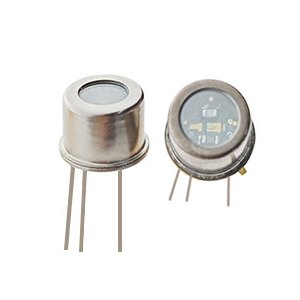
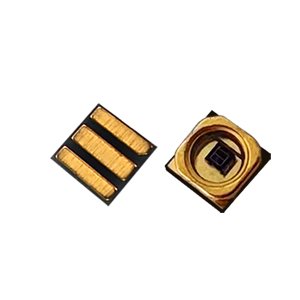
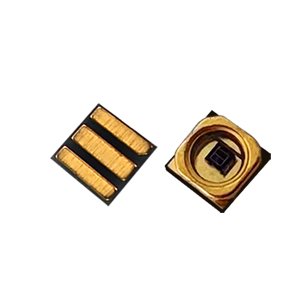
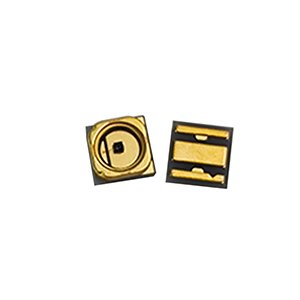
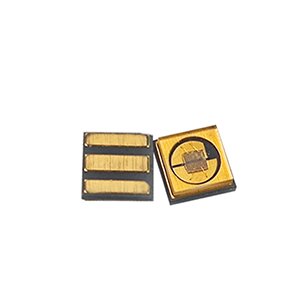
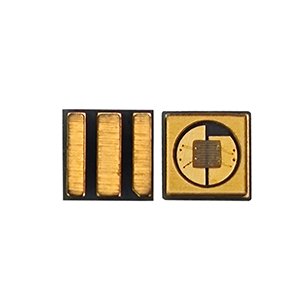
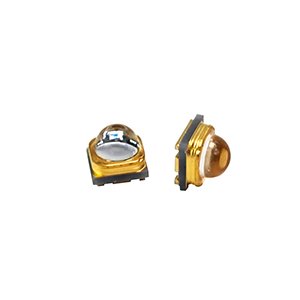
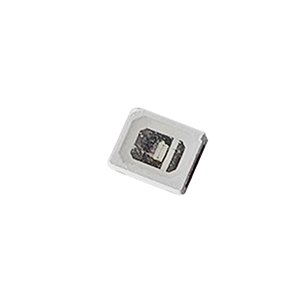
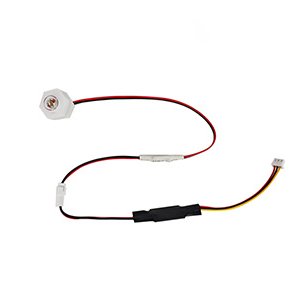
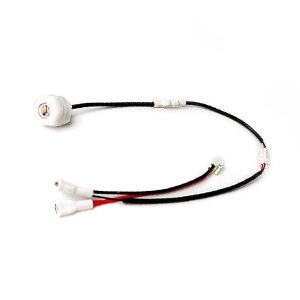
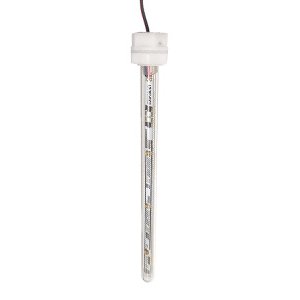
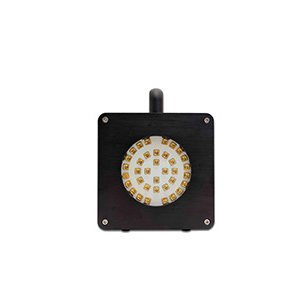
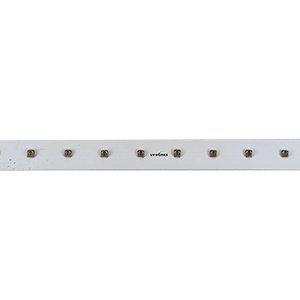
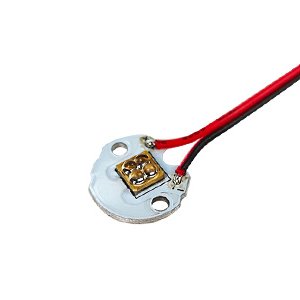
UV Germicidal Technology: The optimal household sterilization solution. Qingdao Yingguang Innovation Technology is a professional enterprise deeply engaged in UVC LED ultraviolet sterilization. Equipped with a post-doctoral R&D team and dozens of national patents, it independently develops a full range of water purification UV sterilization modules with official national water sanitation approval certifications.
Adopting core deep-UV technology to destroy the DNA of bacteria and viruses, its sterilization rate stably reaches over 99.99%, efficiently killing Escherichia coli, Legionella, mold and other common pathogenic bacteria. With zero chemical additives and zero residues, it does not change water taste or composition. Certified by multiple authoritative institutions, the modules are suitable for both household and commercial water purification scenarios with reliable safety and stability.
Compared with traditional boiling sterilization: Boiling only kills active bacteria but cannot remove bacterial metabolites, and bacteria will regrow during cooling and storage. In contrast, Qingdao Yingguang UV LED dynamic water sterilization technology realizes all-weather real-time bacteriostasis. Its IP66 waterproof modules adapt to complex water environments, featuring long service life and low energy consumption, completely eliminating secondary water pollution and achieving long-term water purification and sterilization.
03 Custom Water Purification & Sterilization Solutions for Different Families
There is no need to blindly purchase expensive water treatment equipment. You can match cost-effective solutions according to local water quality and daily needs:
1. Old Communities with Poor Water Quality (Heavy Sediment, Scale and Odor)
Whole-house pre-filters intercept large-particle impurities to protect water appliances; RO membranes deeply filter heavy metals, scale and pollutants. Matched with Qingdao Yingguang professional UV sterilization modules for terminal precise disinfection, it provides sterile direct drinking water, completely solving poor water taste and excessive bacteria in complex water environments of old communities.
2. Ordinary Communities with Standard Water Quality for Daily Healthy Drinking
Solution: Ultrafiltration water purification + UV bacteriostasis system
This solution retains natural beneficial minerals in water and removes impurities and odors. Equipped with Qingdao Yingguang lightweight UV bacteriostasis solution, it requires no complex modification and is compatible with most household water purifiers. It perfectly meets daily needs for drinking, cooking and soup making, balancing health, taste and cost performance as the best choice for ordinary families.
3. Whole-House Water Optimization (Bathing, Laundry and Daily Washing)
Most people only focus on drinking water but ignore domestic water. Water containing residual chlorine and impurities irritates the skin and hair and hardens clothes after long-term use. Basic pre-filtration + Qingdao Yingguang whole-house UV bacteriostasis module purifies all domestic water, reduces scale accumulation and inhibits bacterial growth, protecting both water appliances and family skin and hair health.
04 Common Water Purification Misunderstandings Most Families Make
Many families still get poor water quality even with water purifiers, mostly due to the following misunderstandings:
Misunderstanding 1: Water purifiers eliminate the need for sterilization or boiling
Ordinary filtration equipment cannot completely remove bacteria. Filter elements accumulate impurities and breed bacteria after long-term use. Supporting sterilization functions or regular disinfection is essential for safe drinking water.
Misunderstanding 2: Filter elements can be used permanently without replacement
Filter elements are consumables. Saturated filter elements lose filtration capacity and become major sources of secondary water pollution. Follow the standard replacement cycle: activated carbon (6–12 months), ultrafiltration membrane (1–2 years), RO membrane (2–3 years). Flush the pipeline for 5–10 minutes after replacement to discharge residual impurities.
Misunderstanding 3: Only drinking water needs purification, ignoring domestic water
People are exposed to domestic water every day. Long-term use of unpurified water for washing and cooking subtly damages skin, hair and physical health. Whole-house water purification and bacteriostasis deliver comprehensive protection.
Misunderstanding 4: Purchasing uncertified low-cost water treatment equipment
Water purification and sterilization equipment is closely related to health. Never buy unqualified products solely for low prices. Prioritize products with national health commission approvals, CE and SGS certifications. As a mature industry brand with independent R&D capabilities and full qualifications, Qingdao Yingguang products have been verified in millions of household scenarios, ensuring reliable sterilization performance, safety and durability to avoid water safety risks.
05 3 Simple Ways to Test Household Water Quality
No professional instruments are needed to judge water quality at home: