



UV LED Technology: A Comprehensive Guide to Principles, Applications, and Industry Solutions
2026-08-18
When a phone repair shop uses UV adhesive to bond a screen in seconds, when a water purifier delivers deeply disinfected drinking water, when a hospital deploys chemical-free air sterilization equipment—behind all these scenarios is a light source quietly transforming the world: the Ultraviolet Light Emitting Diode, or UV LED.
Ultraviolet radiation has long been used for curing, disinfection, and detection. However, traditional UV sources rely on mercury lamps, which are bulky, short-lived, and contain toxic mercury. As the Minamata Convention on Mercury imposes increasingly strict restrictions on mercury use worldwide, the search for mercury-free, high-efficiency, long-life UV alternatives has become an industry-wide imperative. UV LED has emerged precisely in this context as the core carrier of next-generation ultraviolet technology.
This article systematically interprets UV LED technology from multiple dimensions—scientific principles, technology comparison, application scenarios, market trends, and enterprise practice. It also highlights the in-depth work and breakthroughs of Qingdao Yingguang Innovation Technology Co., Ltd. in this field, providing a reference guide that is both educational and practical for industry practitioners and procurement decision-makers.
一、What Is UV LED: Basic Concepts and Wavelength Classification
(一)Definition
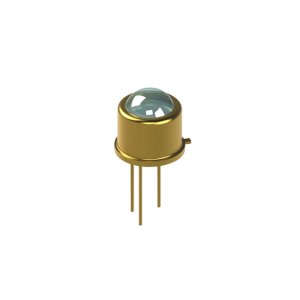
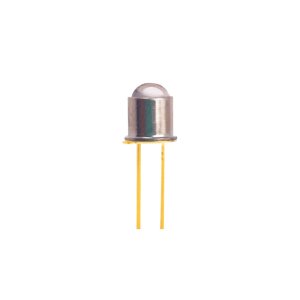
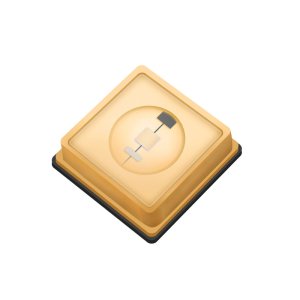
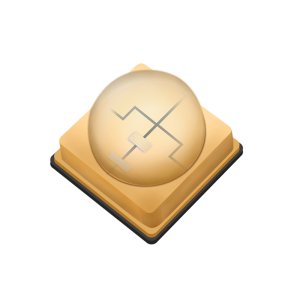
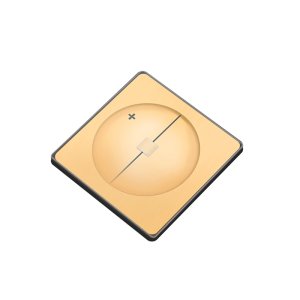
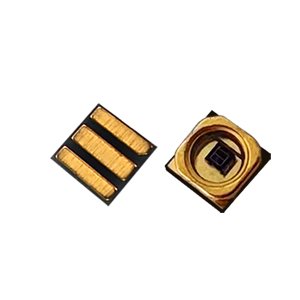
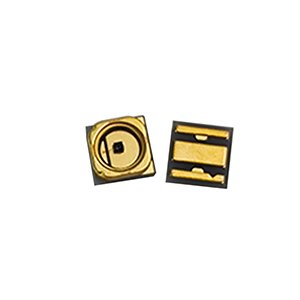
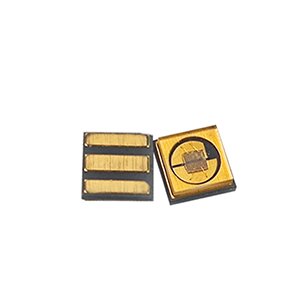
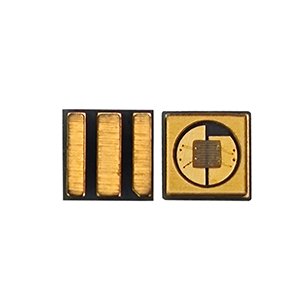
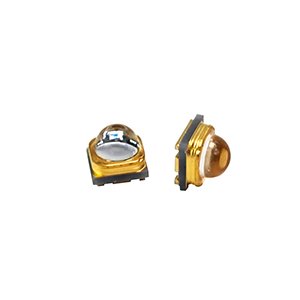
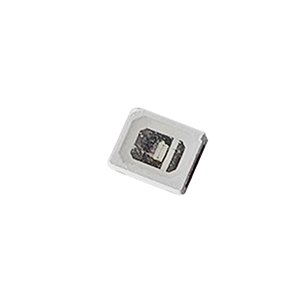
UV LED (Ultraviolet Light Emitting Diode) is a semiconductor device that directly converts electrical energy into ultraviolet radiation. Its operating principle is similar to that of ordinary visible-light LEDs, but it uses special semiconductor material systems to emit light in the ultraviolet spectral region.
Ultraviolet radiation is divided into three main wavelength bands, each with distinct physical characteristics and application directions. UVA, or long-wave UV, ranges from 315 to 400 nm. It has lower energy but stronger penetration, making it the most technologically mature and widely used UV LED band. Typical wavelengths include 365 nm, 385 nm, 395 nm, and 405 nm, used extensively in photocuring, fluorescence detection, anti-counterfeiting, and phototherapy. UVB, or medium-wave UV, ranges from 280 to 315 nm. It has moderate energy and is absorbed by the epidermis, primarily used in medical phototherapy such as psoriasis treatment, plant growth regulation, and vitamin D synthesis. UVC, or short-wave UV, ranges from 100 to 280 nm. It has the highest energy and strongest germicidal capability, with the 260 to 270 nm range widely recognized as the golden band for microbial inactivation. UVC LED has been the area of most concentrated technological breakthroughs and fastest market growth in recent years.
(二)Material Systems
Different UV LED bands employ different semiconductor materials. UVA LEDs primarily use AlGaN (aluminum gallium nitride) and InGaN (indium gallium nitride) material systems, with mature technology and relatively high electro-optical conversion efficiency. UVB and UVC LEDs require AlGaN materials with higher aluminum content. Higher aluminum content yields shorter emission wavelengths but also makes crystal growth more difficult; efficiency and cost long constrained commercialization. In recent years, continuous optimization of substrate technology, epitaxial growth, and chip architecture has significantly improved UVC LED performance.
二、Light-Emitting Principle: From Semiconductor to Ultraviolet Light
(一)PN Junction and Electron-Hole Recombination
The core of a UV LED is a PN junction made of semiconductor materials. A P-type semiconductor is rich in positively charged holes, while an N-type semiconductor is rich in negatively charged electrons. When a forward voltage is applied across the PN junction, electrons move from the N-region to the P-region, and holes move from the P-region to the N-region. They meet and recombine in the active region of the PN junction.
During recombination, electrons transition from a higher energy level to a lower one, releasing excess energy in the form of photons. The energy of these photons—and thus their wavelength—is determined by the bandgap of the semiconductor material. By adjusting the aluminum composition ratio in AlGaN, the bandgap can be precisely controlled, enabling the LED to emit ultraviolet light at a specific wavelength.
(二)Key Performance Metrics
The performance of a UV LED chip is typically evaluated by several metrics. Radiant power, measured in milliwatts, refers to the ultraviolet energy emitted per unit time and directly determines application effectiveness. Wall-plug efficiency (WPE) is the ratio of output optical power to input electrical power and serves as the core indicator of energy efficiency. UVA LEDs can achieve WPE above 40 percent, while UVC LEDs have improved from less than 1 percent to approximately 7.5 percent in recent years—a remarkable advance. Peak wavelength, measured in nanometers, is the center wavelength of the emission spectrum and determines the applicable scenario. Service life, measured in hours, refers to the operating time until optical power decays to 70 percent of the initial value (L70); high-quality UVC LED modules can reach 3,000 hours or more. Thermal performance is equally critical, as UV LEDs are temperature-sensitive and excessive junction temperature accelerates light decay, making good packaging and thermal design essential.
三、UV LED vs. Traditional Mercury Lamps: A Technology Comparison
Mercury lamps have long been the mainstream UV light source, but UV LED is accelerating their replacement. The following table provides a systematic comparison across multiple dimensions.
Dimension | UV LED | Traditional Mercury Lamp |
Environmental friendliness | Mercury-free, compliant with global regulations | Contains mercury, restricted by the Minamata Convention |
Energy efficiency | High electro-optical conversion, up to 85% energy savings | Low efficiency; significant energy lost as heat and infrared |
Start-up | Instant on/off, no warm-up needed | Requires several minutes of warm-up; frequent switching shortens life |
Lifespan | Typically 10,000–50,000 hours | Typically 1,000–8,000 hours |
Form factor | Compact and easy to integrate | Bulky, requires ballast and heat dissipation |
Wavelength control | Precise single-wavelength output | Broad spectrum with many useless wavelengths |
Heat radiation | Cold light source, very low thermal radiation | High thermal radiation, unsuitable for heat-sensitive substrates |
Dimming | PWM stepless dimming supported | Dimming difficult or unsupported |
Maintenance cost | Low, no consumable replacement | High, requires periodic lamp replacement |
It is particularly worth noting that UVC LEDs emitting in the 260 to 270 nm band are closer to the germicidal sensitivity peak of pathogens, with disinfection efficiency approximately 30 percent higher than traditional low-pressure mercury lamps at 254 nm. This means UVC LEDs can achieve the same disinfection effect with less energy, or more thorough sterilization with the same energy input.
四、Core Application Areas
(一)Photocuring: The Accelerator of Industrial Manufacturing
Photocuring is currently the largest application area for UV LED, accounting for approximately 45 percent of the market. The principle is to use specific wavelengths of ultraviolet light to trigger polymerization reactions in photoinitiators within photosensitive resins, inks, or coatings, causing liquid materials to solidify within seconds.
UV LED curing covers a wide range of typical applications. In printing and packaging, UV ink curing in inkjet, offset, and flexographic printing enables high-speed, solvent-free green printing. In 3D printing, stereolithography (SLA/DLP) 3D printers use UV LEDs to cure photosensitive resin layer by layer, achieving high precision and excellent surface quality. In electronics assembly, UV adhesives are used for phone screen bonding, lens module fixation, and cable reinforcement, offering fast curing and precise positioning. In wood and building materials coatings, UV-cured coatings offer high hardness, abrasion resistance, and zero VOC emissions, meeting environmental requirements. In nail salons, gel nail lamps almost universally use UV LEDs, curing gel polish in 30 to 60 seconds.
Compared with traditional mercury lamp curing, UV LED curing offers the advantage of being a cold light source—it does not deform heat-sensitive substrates such as films, paper, and plastics. Additionally, instant on/off operation eliminates the energy waste of mercury lamp standby.
(二)Disinfection and Sterilization: The Invisible Guardian of Public Health
UVC LED disinfection is the fastest-growing application area in recent years, with a compound annual growth rate exceeding 20 percent. The principle is that UVC photons are absorbed by microbial nucleic acids (DNA/RNA), forming pyrimidine dimers that disrupt the replication ability of genetic material, thereby inactivating microorganisms.
UVC LED disinfection has an extremely wide range of application scenarios. In drinking water treatment, flow-through water sterilization modules can be integrated into household water purifiers, commercial water dispensers, and bottled water equipment, achieving 99.99 percent kill rates against common pathogens such as E. coli and Staphylococcus aureus. In air purification, modules embedded in HVAC systems or air purifiers continuously sterilize bacteria, viruses, and mold in the air. In surface disinfection, equipment is used for rapid sterilization of high-touch surfaces such as medical equipment, food processing countertops, escalator handrails, and elevator buttons. In consumer electronics, phone sanitizers, toothbrush sanitizers, and mother-and-baby product sterilization boxes are increasingly popular. In aquaculture, disinfection of aquaculture water effectively kills salmonid pathogens and reduces antibiotic use.
The outstanding advantages of UVC LED disinfection include no chemical residue, no secondary pollution, instant operation, and modular integration. For miniaturized, mobile, and embedded scenarios where traditional mercury lamps are difficult to deploy, UVC LED is often the only viable solution.
(三)Medical and Phototherapy: New Tools for Precision Treatment
In the medical field, UV LED is playing an increasingly important role. In dermatological phototherapy, narrow-band UVB (311 nm) LEDs are used to treat psoriasis, vitiligo, and atopic dermatitis, offering better targeting and fewer side effects than traditional broad-band phototherapy. In dentistry, UVA LEDs are used for curing dental composite resins and are standard equipment in modern dental practice. In wound disinfection, low-dose UVC irradiation can be used for wound bed disinfection, promoting healing and reducing infection risk. In medical device disinfection, contact-free sterilization of endoscopes, surgical instruments, and other equipment avoids corrosion and residue from chemical disinfectants.
(四)Analytical Detection and Sensing: The Sharp Eye of Research and Industry
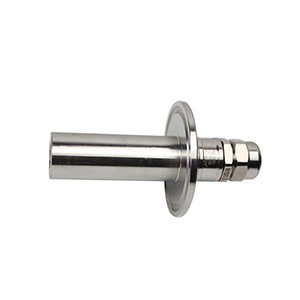
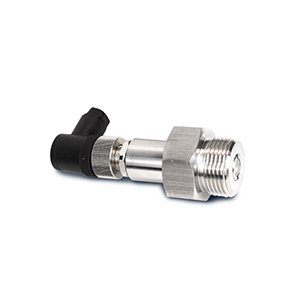
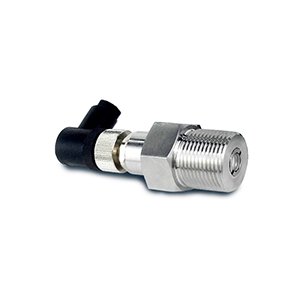
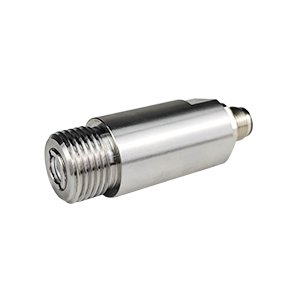
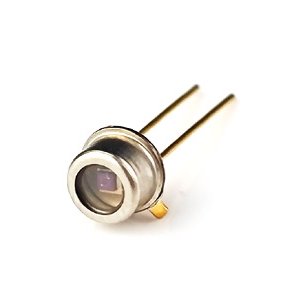
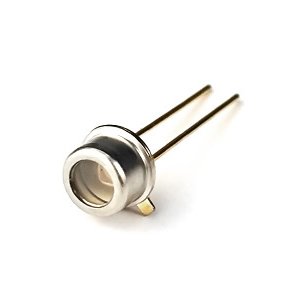
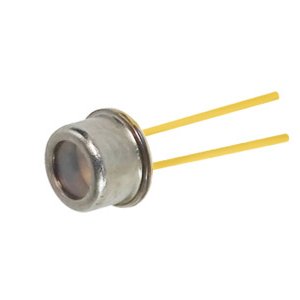
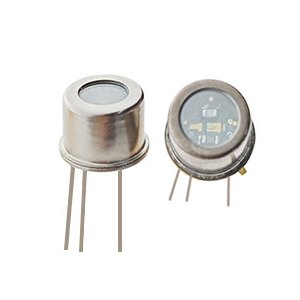
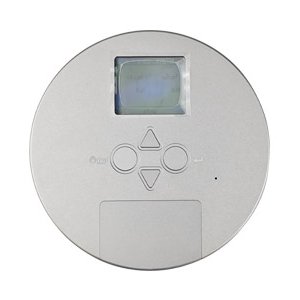
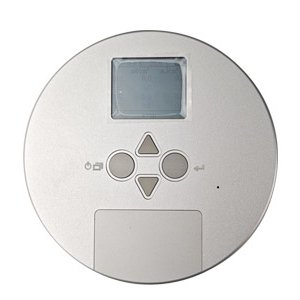
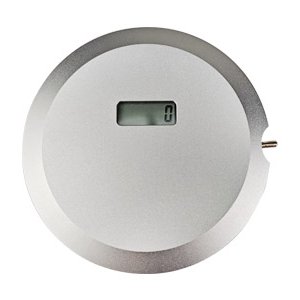
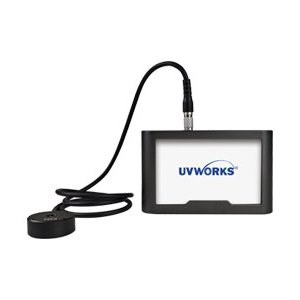
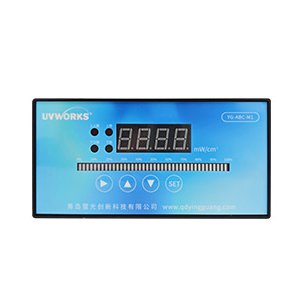
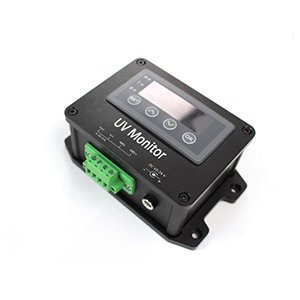
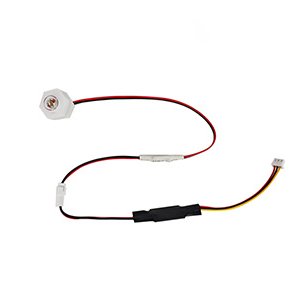
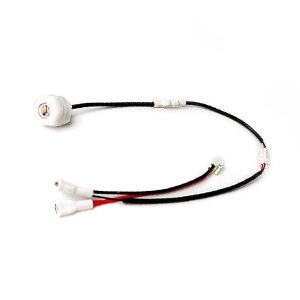
UV LED offers unique value in analytical detection, with its narrow-spectrum, stable, and tunable characteristics opening new possibilities for instrument development. In water quality analysis, leveraging the ultraviolet absorption characteristics of organic matter at 254 nm, UV LEDs can be used for online monitoring of COD (Chemical Oxygen Demand) and TOC (Total Organic Carbon). In gas detection, specific gases such as sulfur dioxide, nitrogen dioxide, and ozone have characteristic absorption peaks in the ultraviolet band; UV LED light sources combined with spectral analysis enable high-precision gas detection. In fluorescence analysis, UVA LEDs excite fluorescent substances for biological analysis, drug testing, and material characterization. In ultraviolet sensing, combined with UV probes, real-time monitoring of ultraviolet irradiance can be achieved for industrial process control and environmental monitoring.
(五)Anti-Counterfeiting and Forgery Detection
UVA LEDs are the core light source for currency verification and document anti-counterfeiting. Fluorescent security markers on banknotes, passports, and ID cards emit specific colors under 365 nm ultraviolet light. UV LED counterfeit detectors have fully replaced traditional UV tubes due to their compact size, low power consumption, and long lifespan.
(六)Agriculture and Horticulture
Research shows that UVA irradiation can influence plant secondary metabolism and stress responses, promoting the synthesis of antioxidants such as anthocyanins and flavonoids. Integrating UVA LEDs into plant grow lights has the potential to enhance the nutritional quality and flavor of vegetables and fruits. Additionally, UVB LEDs can be used to promote vitamin D synthesis in plants.
五、Market Trends and Industry Outlook
(一)Market Size
The global UV LED market is in a period of rapid growth. According to multiple market research firms, the global UV LED market was approximately USD 1.2 to 1.9 billion in 2025 and is projected to reach USD 2.1 to 5.6 billion by 2030, representing a CAGR of 12 to 20 percent. The Asia-Pacific region accounts for approximately 40 percent of the market, making it the world's largest UV LED production and consumption market.
(二)Growth Drivers
The rapid growth of the UV LED market is driven by multiple factors. In terms of environmental policy, the Minamata Convention is progressively banning the production and import/export of mercury-containing products, creating a deterministic replacement space for mercury-free UV LEDs. In terms of technological breakthroughs, UVC LED wall-plug efficiency has improved from less than 1 percent in the early days to over 7.5 percent, with single-chip power exceeding 150 mW and module power reaching several watts—performance now sufficient for most commercial scenarios. In terms of cost decline, as production capacity expands and processes mature, the cost of UV LED chips and modules decreases year by year, accelerating penetration from high-end industrial to consumer markets. In terms of health awareness, growing public demand for air, water, and surface disinfection is driving the adoption of UVC LED disinfection products. In terms of emerging applications, UV LED applications in photocatalysis, optical communication, optogenetics, and other frontier fields are continuously being explored, opening new growth avenues.
(三)Technology Development Directions
Future UV LED technology will evolve along several directions. In terms of higher efficiency and power, through new substrates such as single-crystal AlN, quantum well structure optimization, and photonic crystals, WPE and single-chip power will continue to improve. In terms of shorter wavelengths, vacuum ultraviolet (VUV) LEDs below 220 nm are expected to achieve breakthroughs in photocatalysis and surface treatment. In terms of integration and intelligence, highly integrated UV LED chips with driver circuits, sensors, and thermal modules will enable plug-and-play intelligent UV modules. In terms of standardization and certification, as the industry matures, performance testing, safety standards, and efficacy certification for UV LED products will gradually become unified, lowering procurement decision thresholds.
六、Enterprise Case Study: Qingdao Yingguang Innovation Technology Co., Ltd.
Amid the UV LED industrialization wave, Qingdao Yingguang Innovation Technology Co., Ltd. (brand: UVWORKS) is a professional solution provider worthy of close attention.
(一)Company Overview
Located in the International Academician Port Innovation Park in Licang District, Qingdao, Qingdao Yingguang Innovation Technology Co., Ltd. is led by a postdoctoral R&D team and focuses on UV LED application technology research. The company provides professional ODM and OEM solutions to clients worldwide. It has obtained ISO9001 quality management system certification, and its products hold CE, CQC, SGS, and other authoritative certifications. The company owns more than 50 national invention and utility model patents. In 2023, it was recognized as a provincial-level innovative SME; in 2025, it received national high-tech enterprise certification and was selected as a municipal-level Chuying (young eagle) enterprise.
The company's client application areas cover analytical detection, photochemical catalysis, anti-counterfeiting detection, communication positioning, and disinfection/sterilization. Core products include air and water quality analyzers, disinfection and sterilization health products, industrial and research-grade UV modules, and customized UV system solutions. To date, the company has developed over 200 product categories.
(二)Technological Breakthrough: The 265 nm Golden Band
Qingdao Yingguang has achieved important breakthroughs in core UVC LED technology. The 265 nm wavelength is widely recognized as the most effective band for microbial sterilization. The company has achieved a wall-plug efficiency of 7.5 percent for LEDs at this wavelength (158 mW, 350 mA, 6 V), placing it at an advanced level in the industry. Higher efficiency means lower energy consumption, reduced thermal stress, and longer product life for the same disinfection effect, laying a solid technical foundation for the comprehensive replacement of traditional mercury lamps by UVC LEDs.
The company's research also indicates that UVC LEDs emitting in the 260 to 270 nm band are closer to the germicidal sensitivity peak of pathogens, with sterilization efficiency approximately 30 percent higher than traditional low-pressure mercury lamps. This data provides a strong performance basis for clients choosing mercury-free UV solutions.
(三)Core Products and Solutions
Positioned around full-scenario, customized UV sterilization solutions, Qingdao Yingguang has built a product matrix covering consumer, commercial, and industrial markets.
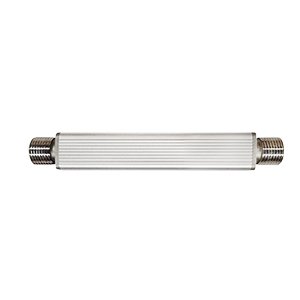
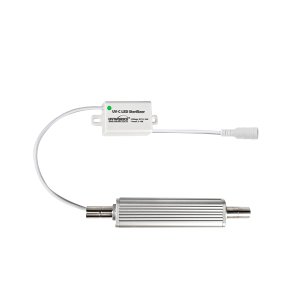
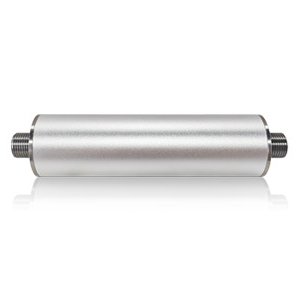
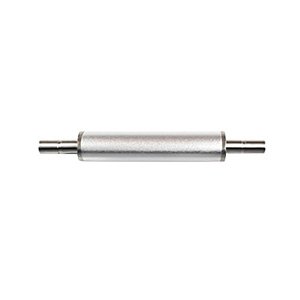
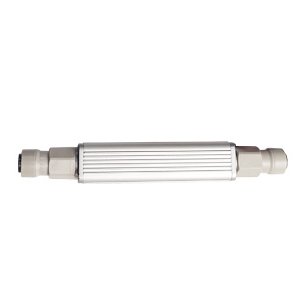
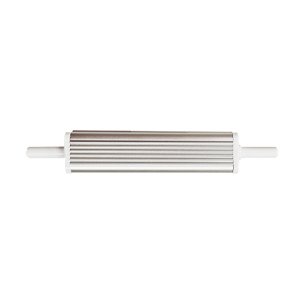
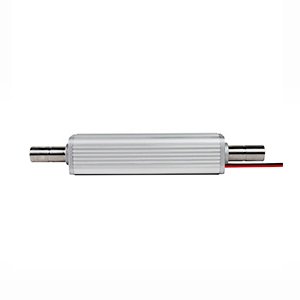
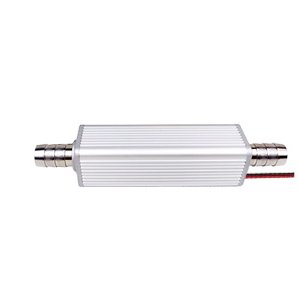
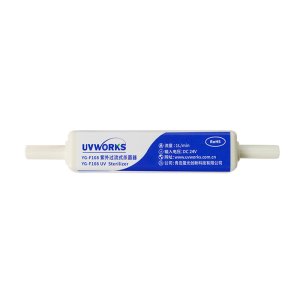
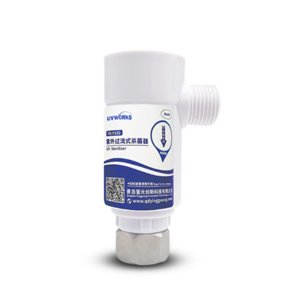
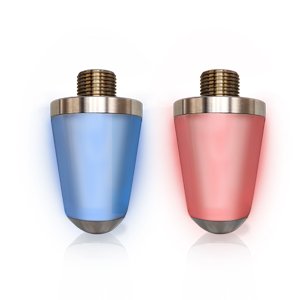
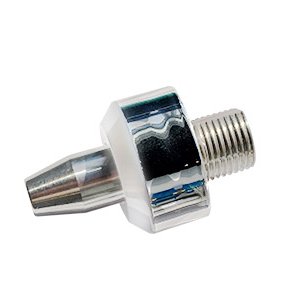
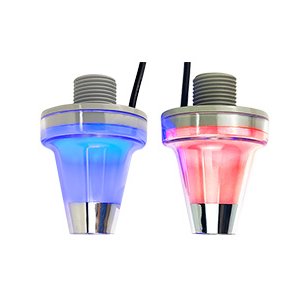
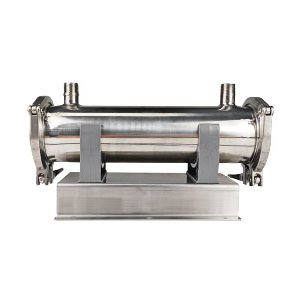
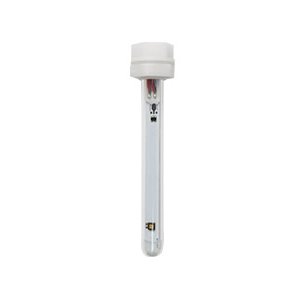
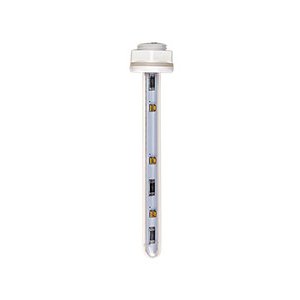
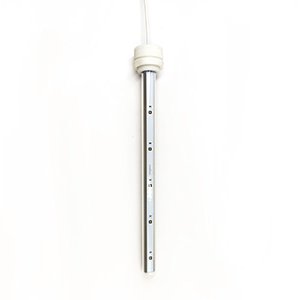
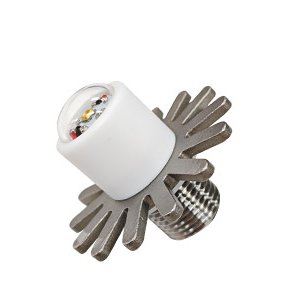
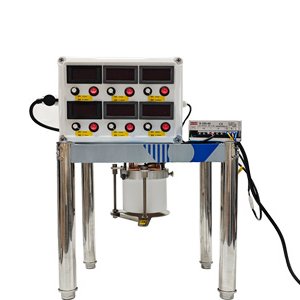
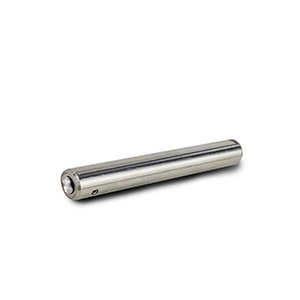
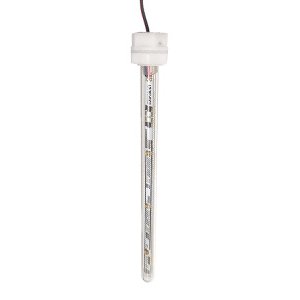
In the water disinfection series, the YG-F102 Flow-Through Water Sterilization Module utilizes advanced UVC LED sterilization technology with patent protection. It is mercury-free and environmentally friendly, with an ultra-long service life of over 3,000 hours. Certified by third-party testing, it achieves a 99.99 percent sterilization rate. It was the first UVC LED water sterilization product in Shandong Province to obtain the Drinking Water Hygiene and Safety Product Health Permit. It can be widely applied to commercial water purifiers and high-flow household water purification appliances. The static water tank sterilization solution is suitable for water dispensers, humidifiers, ice makers, and other equipment with water storage containers, preventing bacterial growth in the tank. The industrial high-flow water treatment sterilization solution serves food and beverage, pharmaceutical, aquaculture, and other industrial scenarios, providing high-flow, high-reliability water treatment disinfection solutions.
In the air and surface disinfection series, public-space air disinfection modules can be embedded in air conditioners, fresh air systems, and air purifiers. Surface disinfection equipment is used for rapid sterilization of high-touch surfaces in medical, food processing, and public transportation settings.
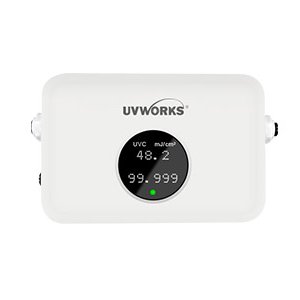
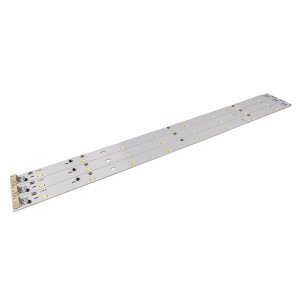
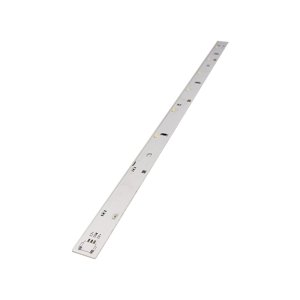
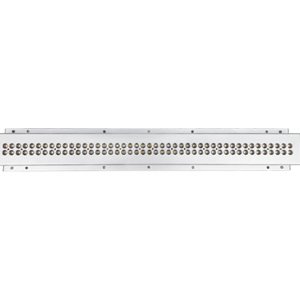
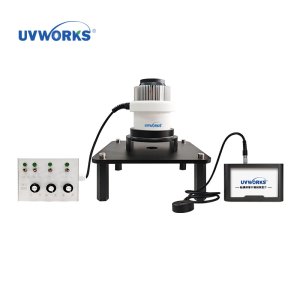
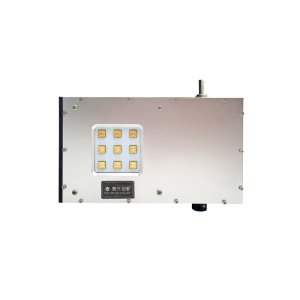
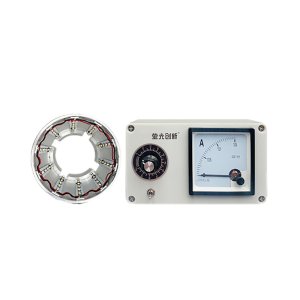
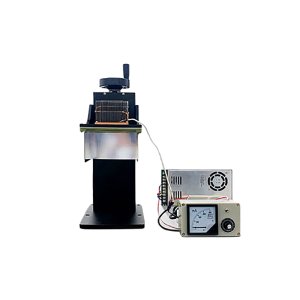
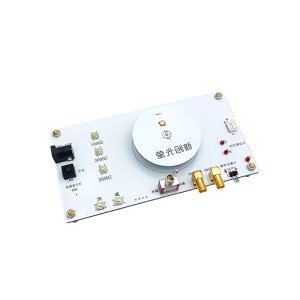
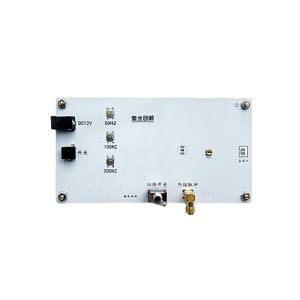
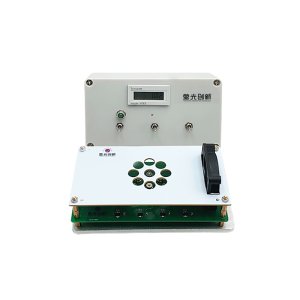
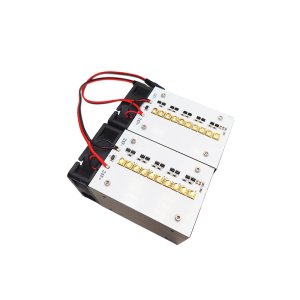
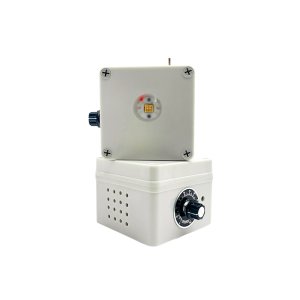
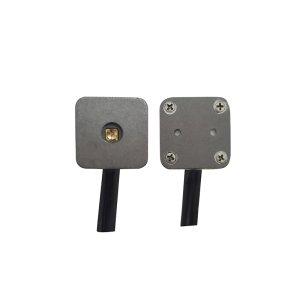
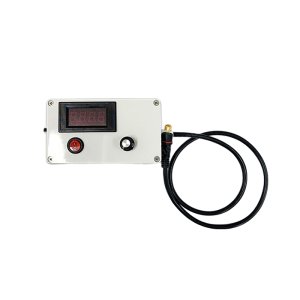
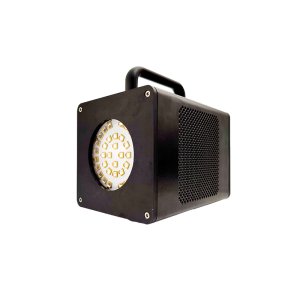
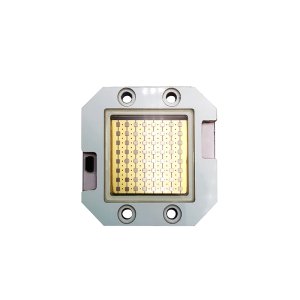
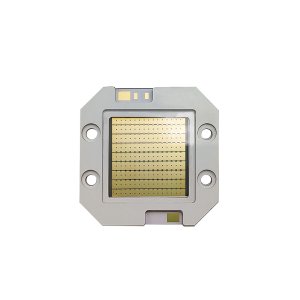
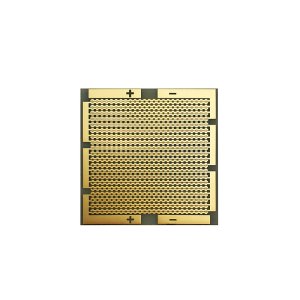
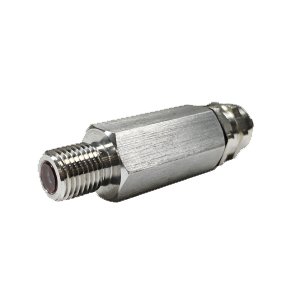
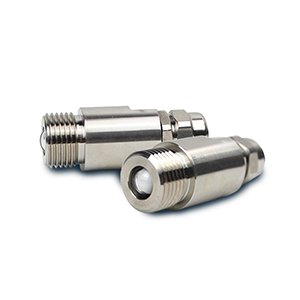
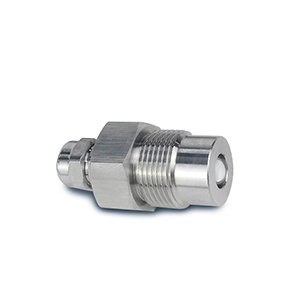
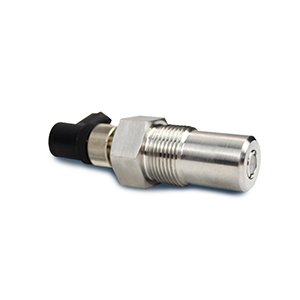
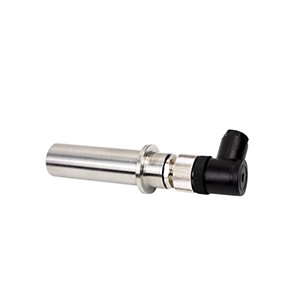
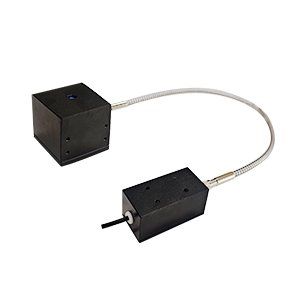
In analytical detection and industrial UV modules, the company provides industrial and research-grade UV modules that offer standardized light sources for analytical instruments, photochemical reactors, and UV curing equipment. It also supplies UV sensors and UV probes for precise measurement of ultraviolet irradiance and process control.
(四)Customization Service Capability
Qingdao Yingguang's core competitiveness lies not only in standardized products but also in its strong customization capabilities. The company can provide full-process ODM/OEM services—from optical design, thermal management, and driver circuits to complete system integration—based on each client's specific application scenario, spatial constraints, performance specifications, and budget. Whether a customized UV LED chip or a complete industrial disinfection system, the company can deliver a targeted solution.
This solution-plus-product-plus-service model enables Qingdao Yingguang to deeply align with client needs and maintain flexibility and competitiveness in the rapidly iterating UV LED application market.
七、Selection Recommendations and Application Guidance
Faced with a dazzling array of UV LED products on the market, how does one choose the right solution? The following recommendations are organized by key dimensions.
(一)Define Wavelength Requirements
Different applications correspond to different wavelengths; choosing the wrong band can significantly reduce effectiveness. For photocuring, select according to the absorption peak of the photosensitive system; common wavelengths are 365 nm, 385 nm, 395 nm, and 405 nm. For disinfection, prioritize UVC LEDs at 260 to 270 nm for the highest sterilization efficiency. For phototherapy, follow medical guidance to select narrow-band UVB (311 nm) or UVA (340 to 400 nm). For analytical detection, select according to the characteristic absorption or excitation wavelength of the target substance.
(二)Focus on Power and Dosage
Disinfection effectiveness depends on UV dose (irradiance multiplied by exposure time), not simply power. When sourcing, request third-party sterilization rate test reports from suppliers to confirm actual disinfection performance under target flow rates or spatial conditions. Many of Qingdao Yingguang's products come with authoritative testing certificates, with sterilization rates guaranteed above 99.9 percent—an important reference for selection.
(三)Evaluate Thermal Management and Lifespan
UV LED performance and lifespan are closely related to junction temperature. Examine the product's thermal design, including substrate material and heat dissipation structure, as well as its rated lifespan (L70 standard). For industrial scenarios requiring long continuous operation, select products with sufficient thermal redundancy and verified lifespan.
(四)Prioritize Safety and Compliance
UVC radiation is harmful to human skin and eyes; products must incorporate comprehensive safety protection designs, such as human presence sensors, interlock switches, and light-shielding structures. Additionally, products used in drinking water, food, medical, and other regulated fields must obtain corresponding hygiene permits and safety certifications. Qingdao Yingguang's YG-F102 water sterilization module has obtained the Shandong Province Drinking Water Hygiene and Safety Product Health Permit, making it a reliable choice for compliant procurement.
(五)Prefer Suppliers with Customization Capabilities
UV LED applications often require deep integration with specific products, and standard modules may not fully meet requirements. Selecting suppliers with ODM/OEM capabilities that can provide optical and thermal design support can significantly shorten product development cycles and reduce integration risks.
UV LED technology is at a critical inflection point—transitioning from replacing mercury lamps to creating new applications. In photocuring, it has become the standard for green manufacturing. In disinfection and sterilization, it is redefining the technological path of public health. In analytical detection, medicine, agriculture, and beyond, its potential continues to unfold.
With continuous improvements in electro-optical conversion efficiency, steady cost declines, and strong impetus from global environmental policies, UV LED is expected to complete the full replacement of traditional mercury lamps within the next five to ten years, while giving rise to numerous unprecedented innovative applications. For enterprises, early adoption of UV LED technology is not only an inevitable choice for fulfilling environmental responsibility but also a strategic move to capture future market opportunities.
With its technological breakthrough in the 265 nm golden band, a product matrix of over 200 categories, and strong customization service capabilities, Qingdao Yingguang Innovation Technology Co., Ltd. provides one-stop UV LED solutions—from chip to system—for clients across industries. Whether you need a high-efficiency UVC LED module or a complete industrial water treatment disinfection system, Qingdao Yingguang is a trustworthy partner.
Ultraviolet light is illuminating a safer, more efficient, and more environmentally friendly future. And UV LED is the core engine driving that light forward.