




UV sterilization technology: The best way to efficiently kill bacteria, viruses and fungi
2025-12-23
Ultraviolet (UV) sterilization has many advantages that chemical methods cannot replace: During the sterilization process, no harmful disinfection by-products are generated. It can effectively reduce the number of pathogens and microorganisms in water, kill chlorine-resistant pathogens such as recessive sporidium, and microorganisms cannot develop tolerance to ultraviolet rays. The taste, odor, and pH value of drinking water are not affected by ultraviolet radiation, and there are no chemical residues. It features fast sterilization speed, high efficiency, small floor space, simple equipment operation, easy operation management and automation. It is an economical and environmentally friendly sterilization method to replace traditional sterilization.
Ultraviolet properties: Ultraviolet disinfection is inexpensive, convenient, leaves no residual toxicity, and is relatively safe. It can be used to disinfect air, water, beverages, and object surfaces, etc.
Ultraviolet rays can kill bacteria, fungi, viruses, etc. The bactericidal dose is the product of the irradiation intensity and the irradiation time. A certain amount of microorganisms are made into a water suspension with a water depth of 2cm. After irradiating with ultraviolet rays for different periods of time, the bactericidal dose of ultraviolet rays for different organisms is calculated. The lethal dose of ultraviolet rays to microorganisms in water
The lethal dose of ultraviolet rays to microorganisms in water

Why is it said that ultraviolet rays can kill bacteria?
The core principle of ultraviolet sterilization is to destroy the genetic material of microorganisms, rendering them unable to reproduce and survive, thereby achieving the effect of sterilization and disinfection.
Ultraviolet rays can be classified into three types based on their wavelengths: UVA (320-400nm), UVB (280-320nm), and UVC (200-280nm). Among them, UVC has the strongest sterilization effect and is also the commonly used sterilization band.

The Application of ultraviolet Rays in Water Treatment
Ultraviolet rays have a wide range of applications in water treatment, including sewage treatment, disinfection of municipal tap water, disinfection of reclaimed water reuse, disinfection of oilfield reinjection water, disinfection of secondary water supply in residential areas, disinfection of aquaculture water, disinfection of water used in bottled water, food and beverage industries, disinfection of water in water entertainment facilities, swimming pools, etc., and disinfection devices for household small water dispensers, etc. The United States and Canada have listed UV disinfection as the preferred method for water usage terminals, user water intake ends, and small-scale water supply systems.
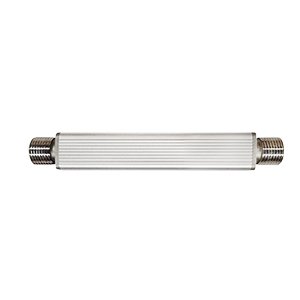
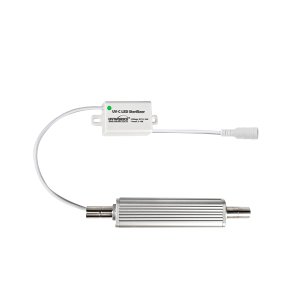
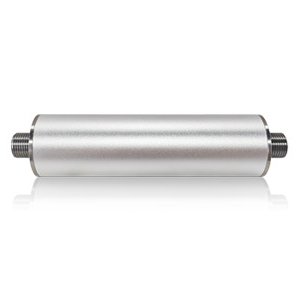
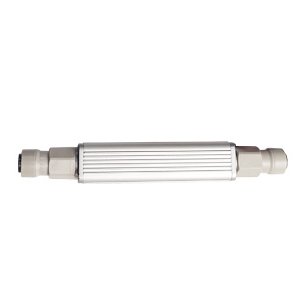
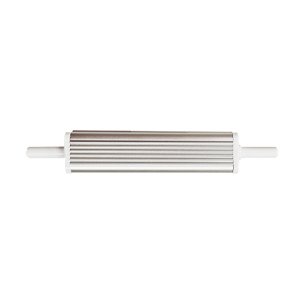
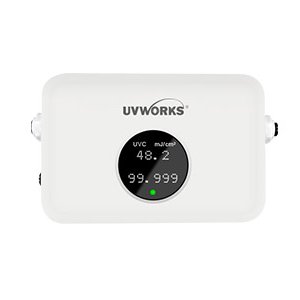
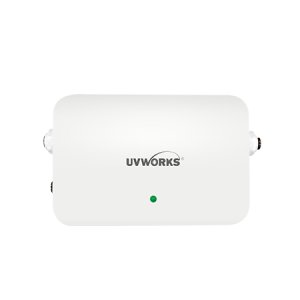
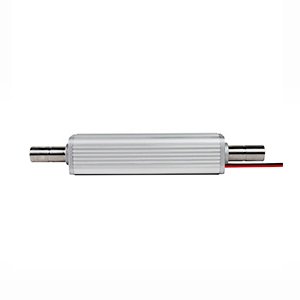
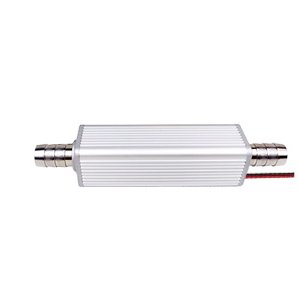
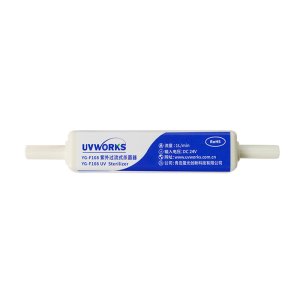
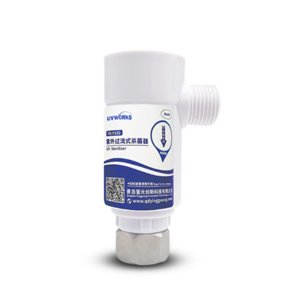
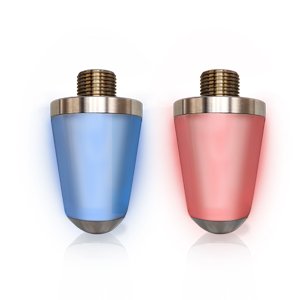
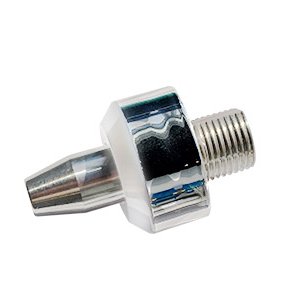
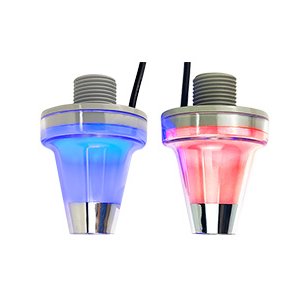
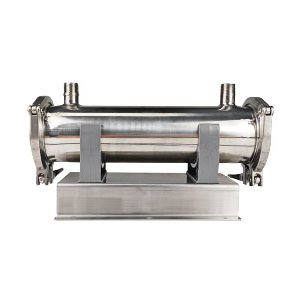
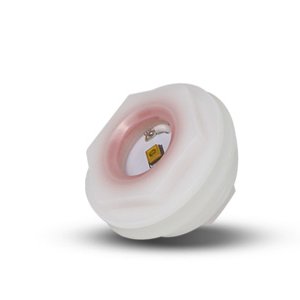
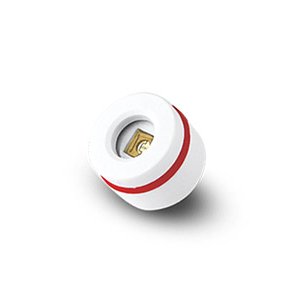
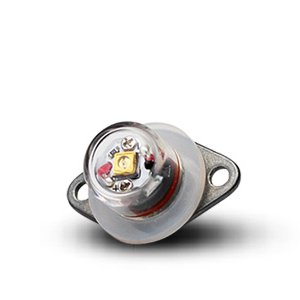
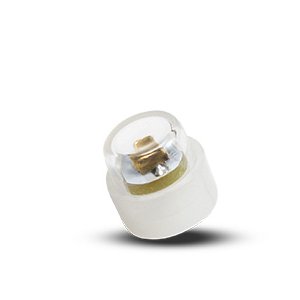
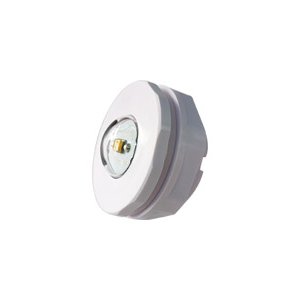
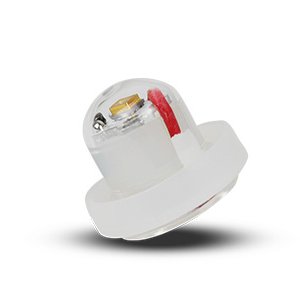
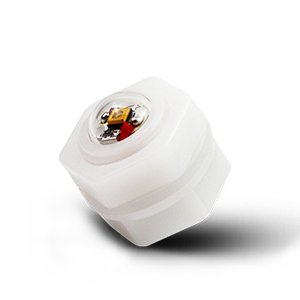
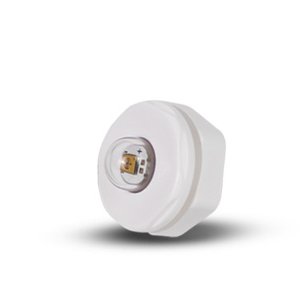
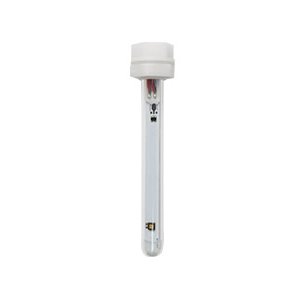
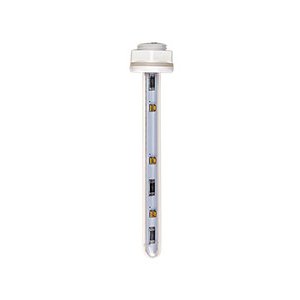
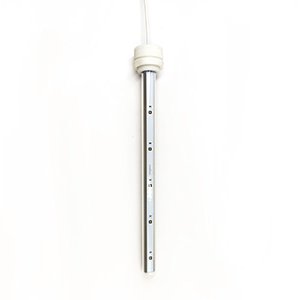
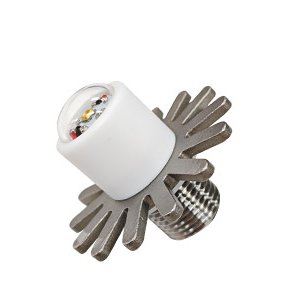
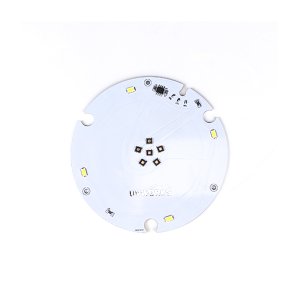
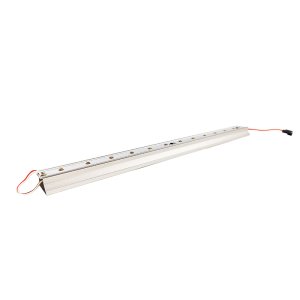
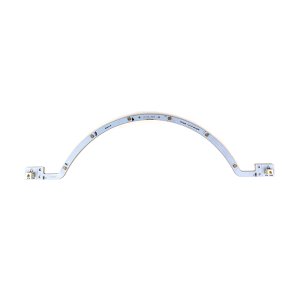
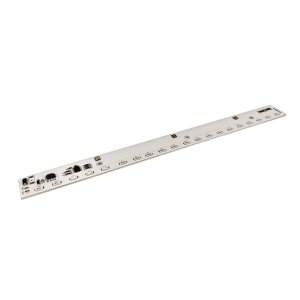
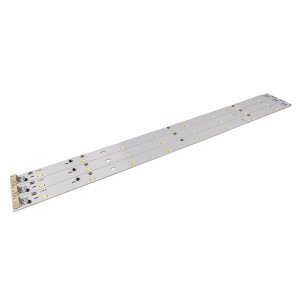
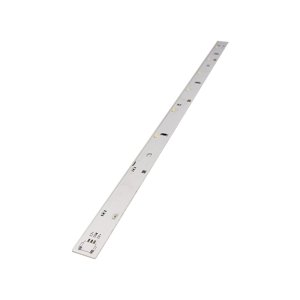
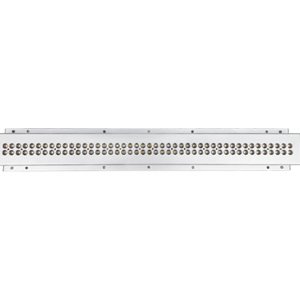
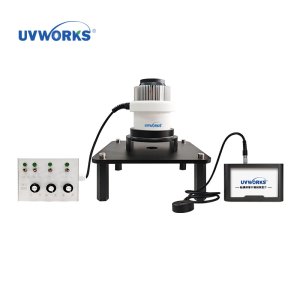
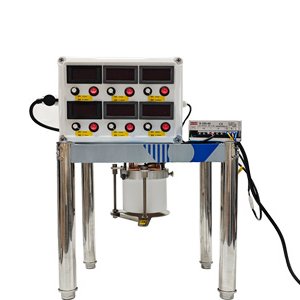
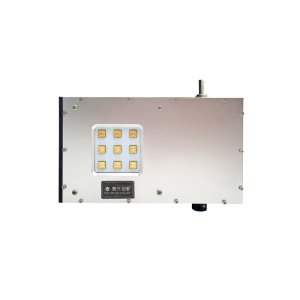
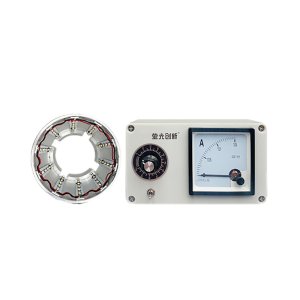
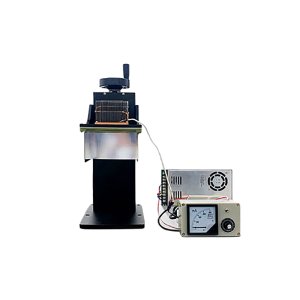
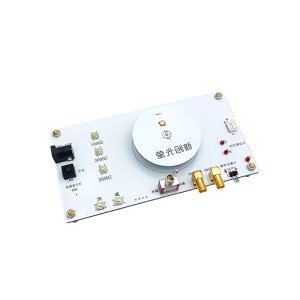
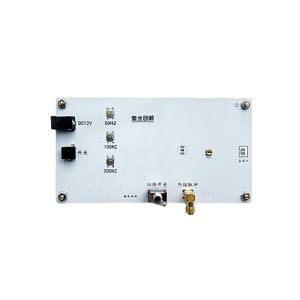
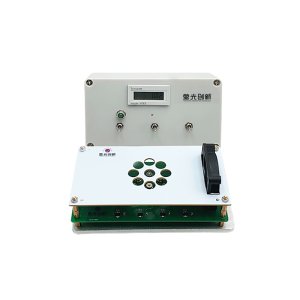
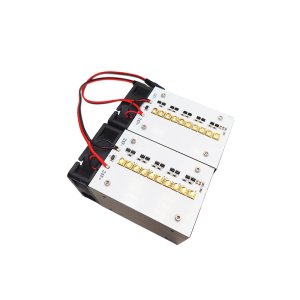
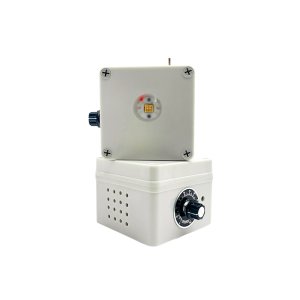
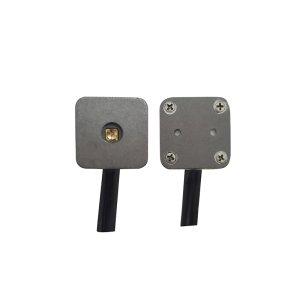
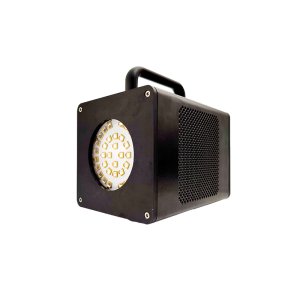
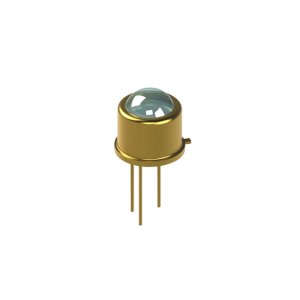
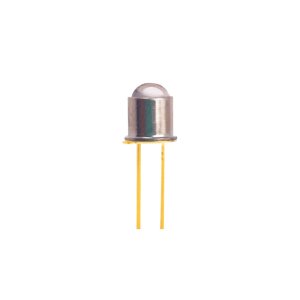
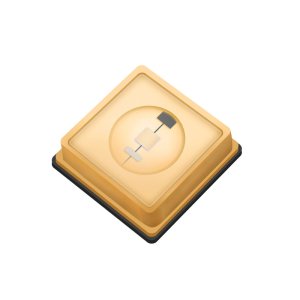
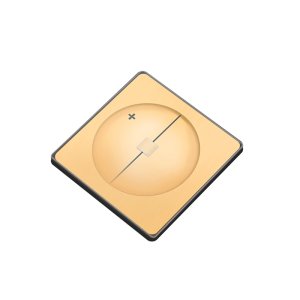
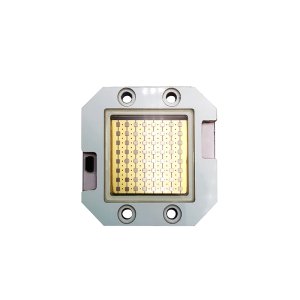
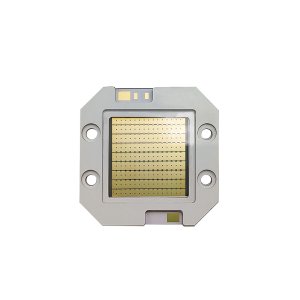
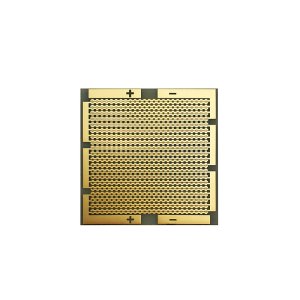
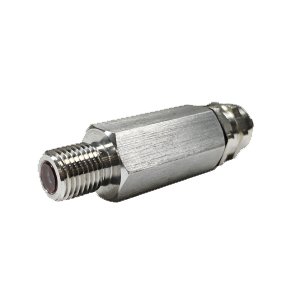
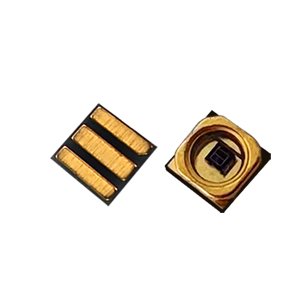
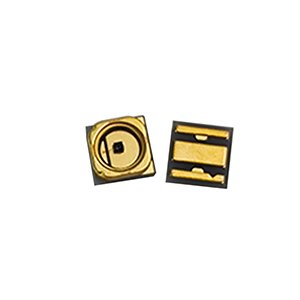
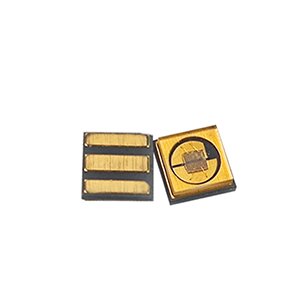
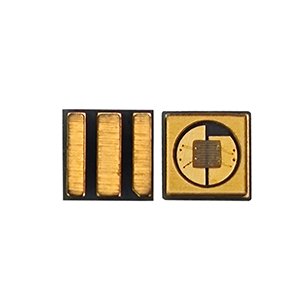
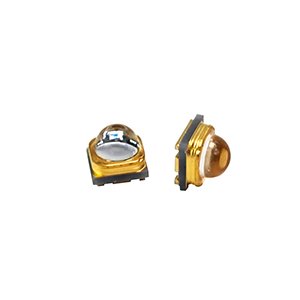
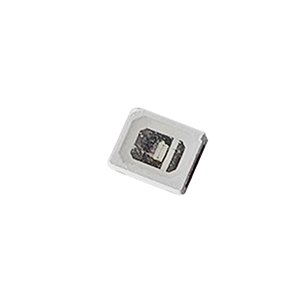
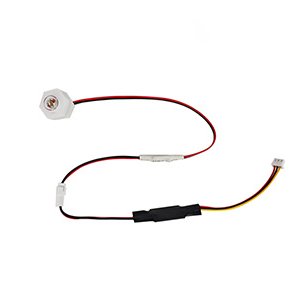
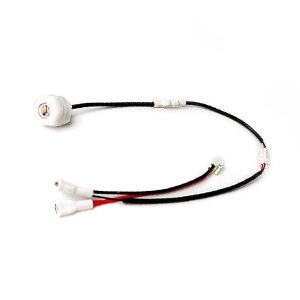
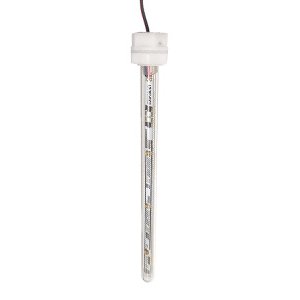
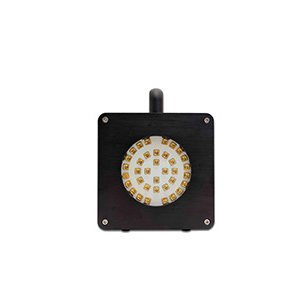
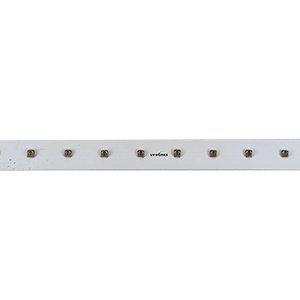
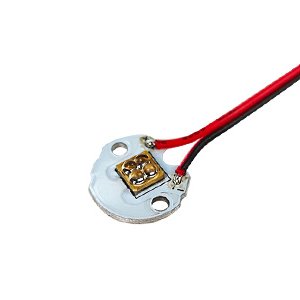
UVWORKS Qingdao Fluorescent ultraviolet disinfection products mainly include a series of products such as air sterilization, surface sterilization, water sterilization, and medical sterilization. The company focuses on the research of ultraviolet sterilization applications. After years of in-depth development in the ultraviolet industry, the company has obtained multiple national invention and utility model patents. At present, a variety of sterilization module products have been launched on the market.

Precautions for Ultraviolet sterilization
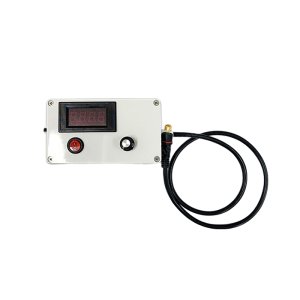
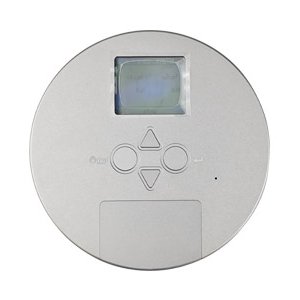
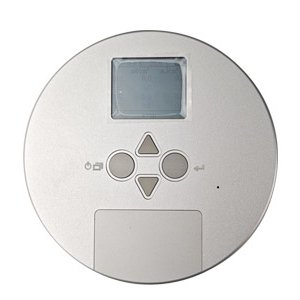
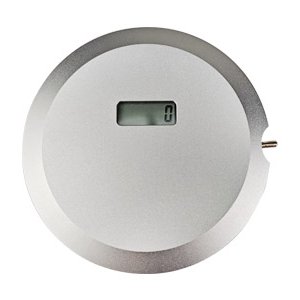
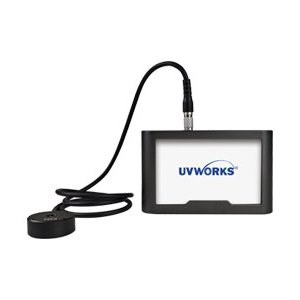
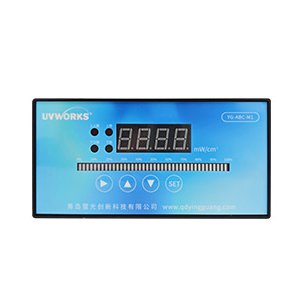
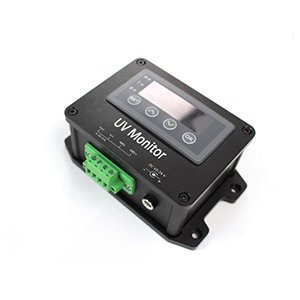
Ultraviolet rays are invisible to the naked eye. The blue-purple light emitted by the lamp tube does not represent the intensity of ultraviolet rays. If there is no automatic display instrument, the output intensity should be measured regularly with an ultraviolet intensity meter or ultraviolet chemical indicator card to determine the usage condition of the ultraviolet lamp tube. When it fails to meet the specified requirements, it should be replaced in time. The usage time can also be recorded daily. So as to determine whether it has reached the end of its service life.
(2) The sterilization site should be kept clean and dry, and there should be no dust or water mist in the air.